How This Began
A commitment to cultural continuity rooted in personal experience
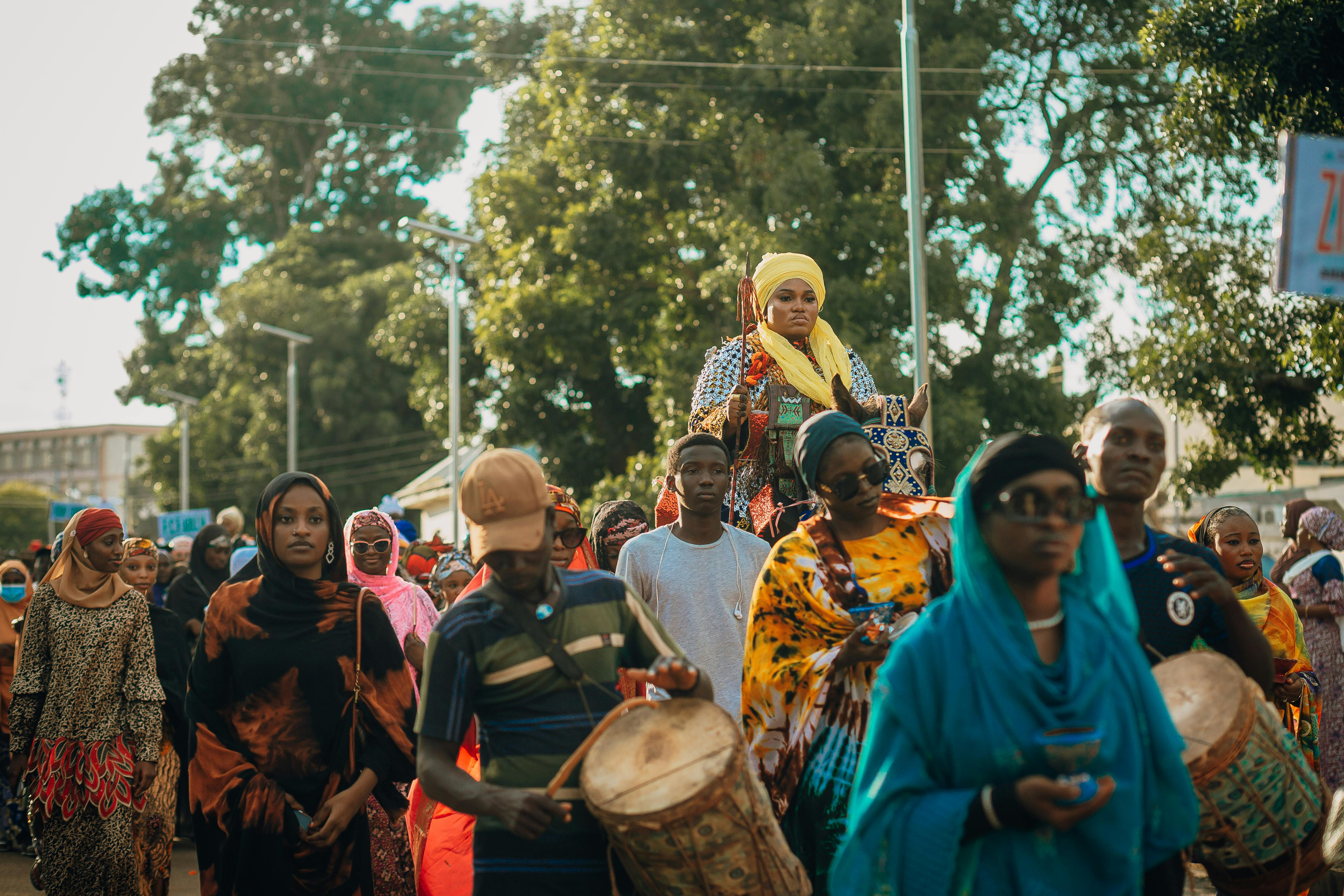
This work emerged from a simple observation: traditional knowledge was disappearing not from lack of interest, but from lack of access. People wanted to learn, but didn't know where to find authentic practitioners. Masters of traditional crafts had knowledge to share but no clear path to willing students.
We started by connecting a single weaver with a handful of interested learners in 2019. That initial workshop revealed something unexpected—participants didn't just want to learn technique. They wanted context, history, understanding of why things were done certain ways.
Our Approach
Every practitioner we work with brings decades of lived experience. These aren't hobbyists or weekend enthusiasts—they're individuals for whom traditional practices remain essential to daily life and identity.
We don't extract knowledge and package it. Instead, we facilitate genuine encounters. This means sessions happen in authentic settings, use traditional materials and methods, and maintain the pace that learning actually requires.
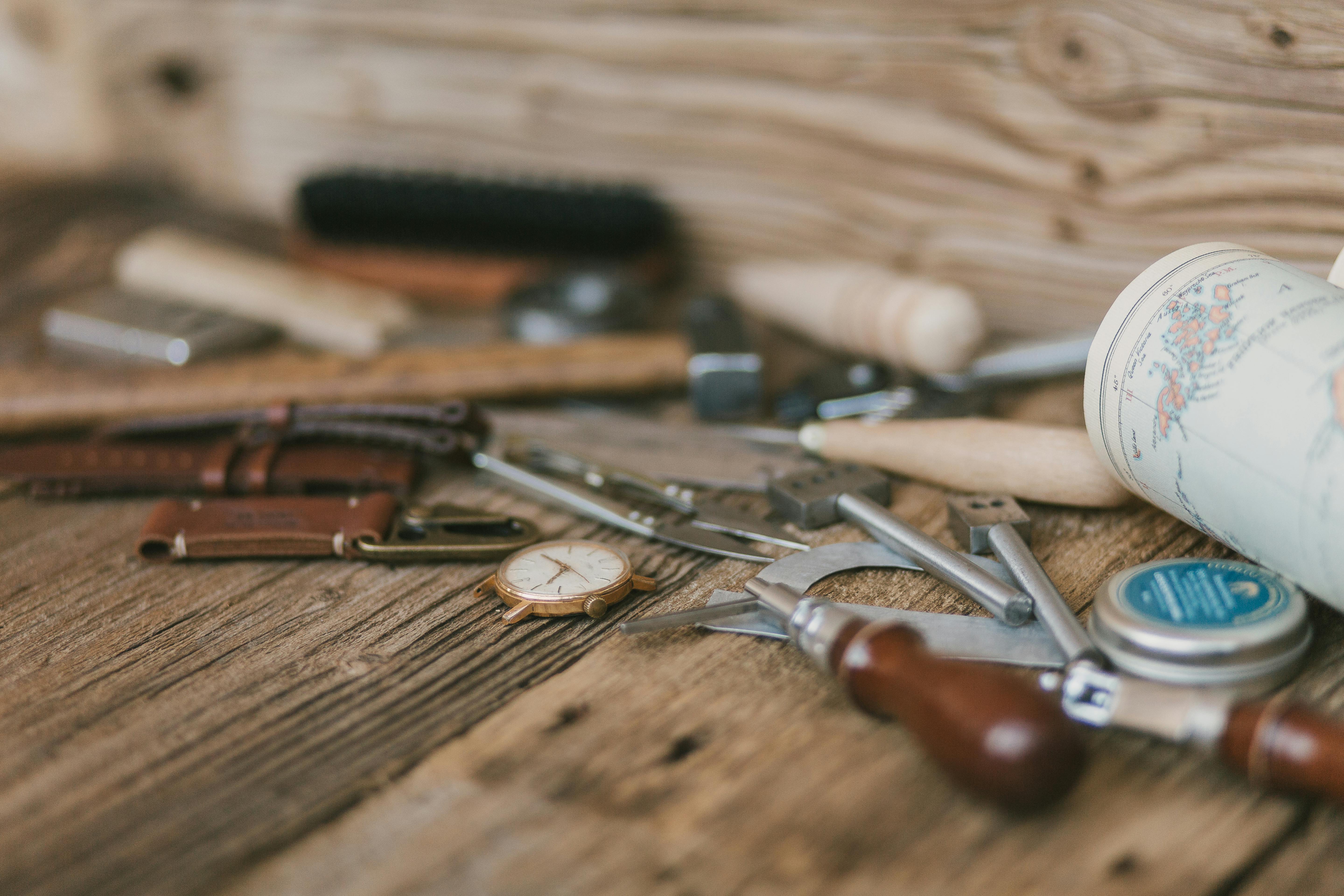
Learning happens in spaces shaped by practice
Small group sizes aren't a marketing feature—they're a requirement. Cultural transmission works through direct observation, hands-on practice, and the ability to ask questions as they arise. We typically limit sessions to eight participants.
Who We Serve
Our participants come from varied backgrounds. Some have academic interest in cultural preservation. Others seek personal enrichment or connection to heritage. Many simply feel drawn to practices that carry weight and history.
What unites them is respect for the knowledge being shared and willingness to engage on its own terms. Traditional practices often require patience, physical engagement, and comfort with techniques that can't be rushed or simplified.
The Practitioners
We work with seventeen different practitioners across various traditional disciplines. Each brings expertise refined through decades of practice and learning from previous generations.
Their knowledge extends beyond technical skill. A traditional cook understands seasonal agriculture and regional ecology. A storyteller carries oral histories that explain social structures and community formation. A craftsperson knows material properties through direct, sustained contact.
"What I value about this partnership is the respect for how things should be done. They don't ask me to simplify or speed up. They understand that some knowledge takes time to transfer properly."
— Helena R., Traditional Weaving Master
Our Commitment
Cultural preservation requires more than documentation. It needs active transmission—people learning by doing, under guidance from those who've mastered the practices.
We prioritize:
- Authenticity over convenience in all aspects of facilitation
- Appropriate compensation for practitioners sharing their knowledge
- Group sizes that enable genuine learning rather than demonstration
- Settings where traditions actually exist and function
- Time allocations that respect the actual pace of learning
This approach means we can't scale infinitely. Each session requires significant coordination, proper preparation of materials and spaces, and availability of practitioners whose time is valuable and limited.
Looking Forward
As interest in traditional knowledge grows, we're expanding carefully. New practitioner partnerships take months to establish—trust must develop, and we need to ensure our facilitation model serves their needs as well as participants'.
We're currently developing relationships with traditional musicians, additional regional cooking specialists, and a master woodworker whose techniques predate industrial tooling.

The goal remains consistent: creating genuine opportunities for cultural knowledge to pass from those who hold it to those ready to receive it. Not as museum pieces, but as living practices that continue to evolve while maintaining their essential character.