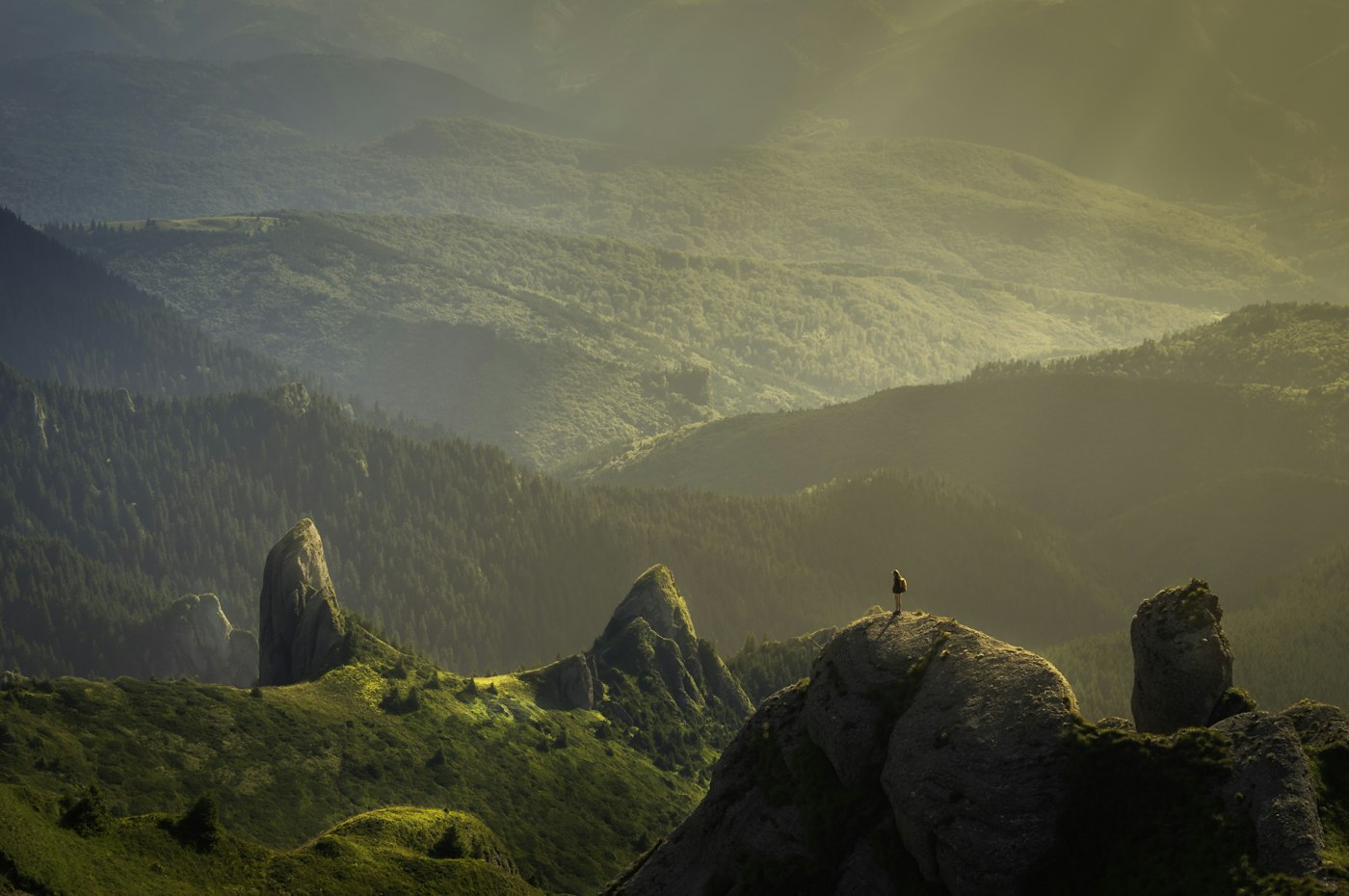
Every community holds threads connecting past to present. These aren't merely artifacts or faded photographs—they're living practices passed through careful hands, whispered stories that refuse silence, and skills that define who we are.
In an era where everything moves faster, we create spaces where time slows. Where a grandmother's technique for weaving becomes your own. Where songs older than any recording still echo in voices learning them fresh.
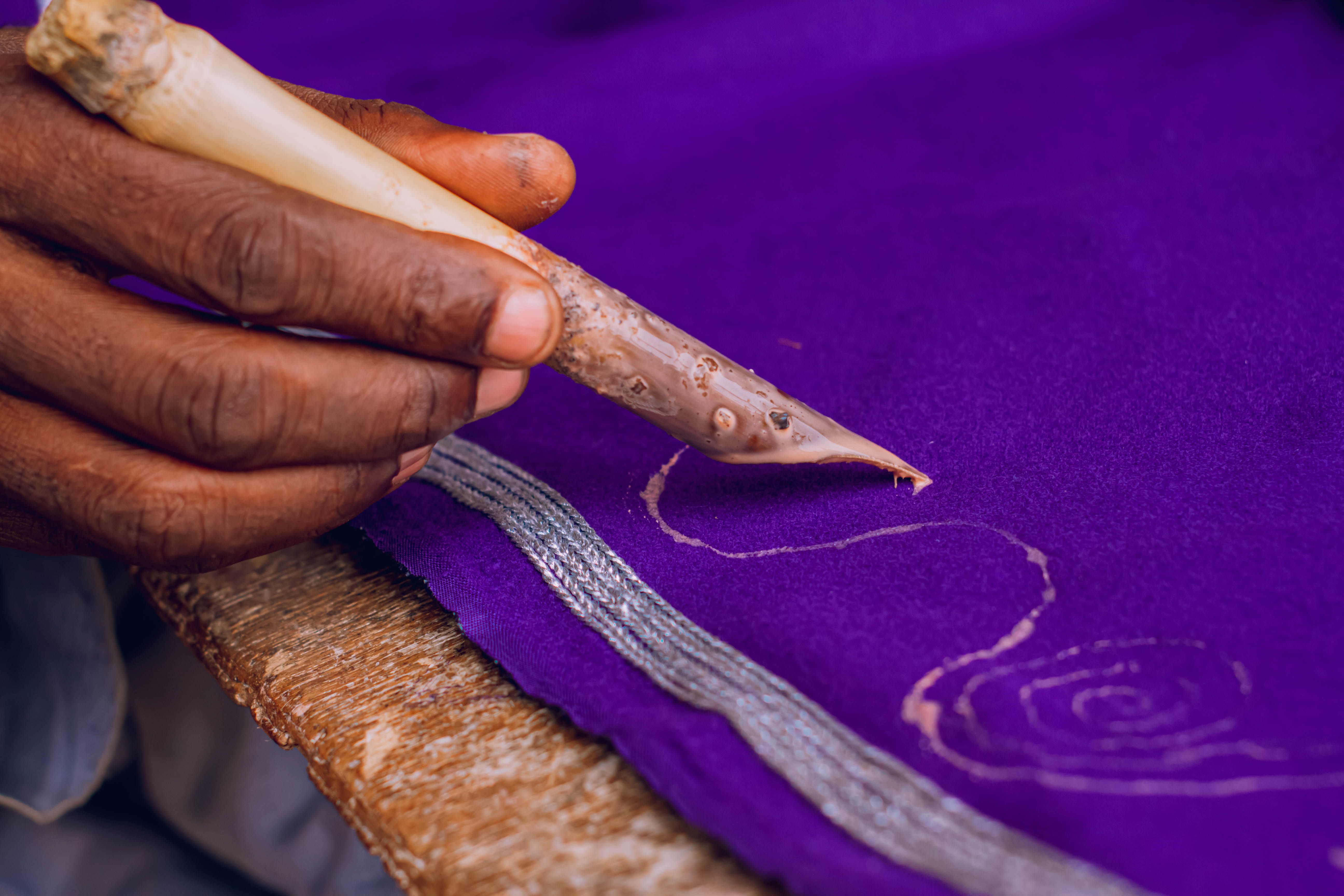
Hands that remember what books cannot teach
What makes culture genuine isn't preservation under glass. It's the continuation—the moment someone picks up a tool their ancestors held, or speaks words that haven't changed in centuries, or prepares food exactly as it was meant to be.
The Weight of Heritage
Cultural traditions carry more than nostalgia. They hold problem-solving methods refined across lifetimes, artistic expressions that captured truth before anyone thought to write it down, and community bonds that modern life often fractures.
Research demonstrates that engaging with cultural practices strengthens identity and resilience. One study found that participants in traditional activities showed increased social cohesion and psychological wellbeing [1]. Another revealed how intergenerational knowledge transfer preserves not just skills, but entire ways of understanding the world [2].
We don't package culture as entertainment. What we offer are genuine encounters—opportunities to learn from practitioners who've spent decades mastering their crafts, to hear stories from those who lived them, to taste dishes made by cooks who learned from their grandmothers.
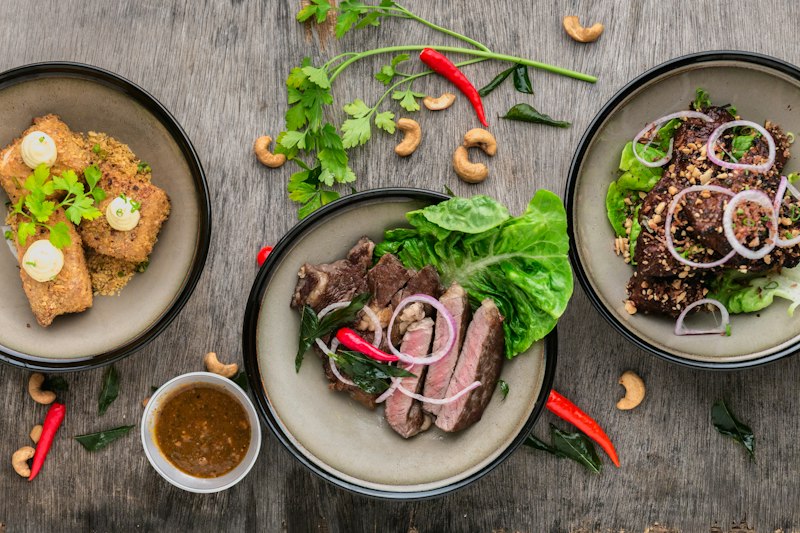
Every recipe tells the story of a place
What We Facilitate
Our work centers on five distinct approaches to cultural engagement. Each designed differently because traditions themselves aren't uniform—they're diverse, specific, rooted in particular places and practices.
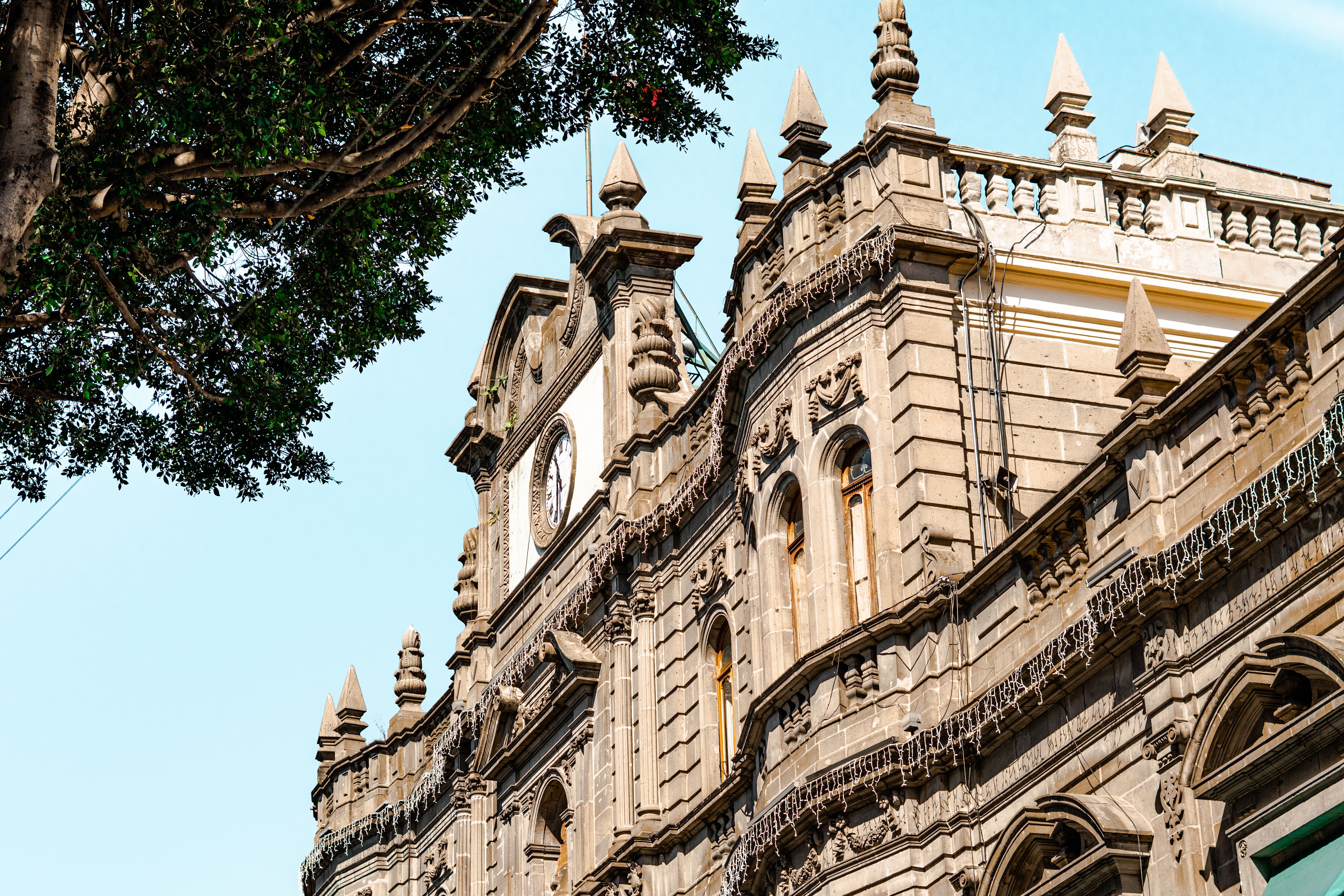
Cultural Heritage Tours
Walk through locations where history actually happened. Not tourist routes—paths that locals take, buildings that still function, sites that matter to the community living there now.
Three-hour immersive journeys with local historians
£147.50
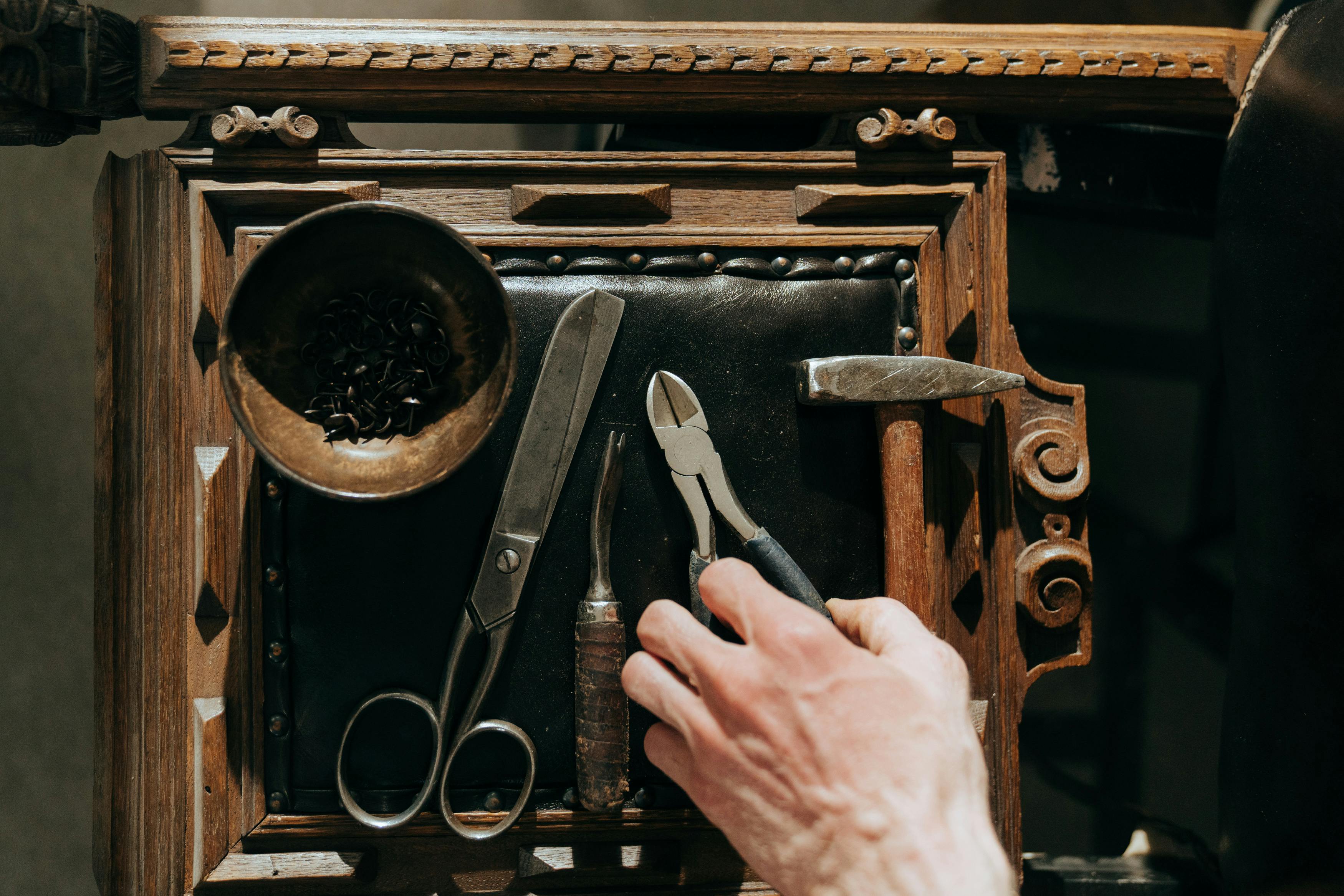
Traditional Craft Workshops
Learn techniques that predate industrial production. Work with materials that require patience. Create objects that carry meaning beyond their function.
Half-day hands-on sessions with master craftspeople
£93.25

Historical Storytelling Sessions
Hear accounts from people who remember. Stories that never made it into textbooks but shaped communities. Oral histories preserved through deliberate practice.
Evening gatherings in authentic settings
£118.75
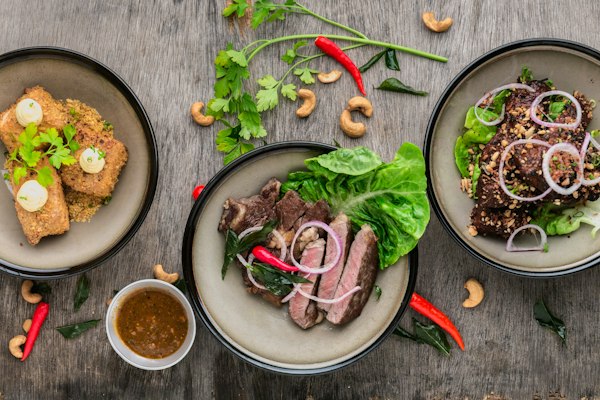
Culinary Heritage Experiences
Discover dishes that define regions. Not restaurant food—home cooking passed through generations, ingredients sourced the way they've always been, preparations that take the time they need.
Full culinary sessions from market to table
£162.80

Folklore and Music Evenings
Experience songs and tales that survived by being shared. Music played on traditional instruments by those who learned from masters. Stories that explain why things are the way they are.
Two-hour intimate performances with participation
£108.50
Why This Matters Now
Cultural continuity isn't automatic. Every generation must actively choose to maintain connections with what came before. When those connections break, we lose more than traditions—we lose frameworks for understanding ourselves.
The value extends beyond individual enrichment. Communities with strong cultural practices demonstrate better mental health outcomes and social support networks [3]. Traditional ecological knowledge, preserved through cultural transmission, often contains solutions to contemporary environmental challenges [4].
"I thought I was just learning to weave. Instead, I discovered why my grandmother always said certain things, how entire communities organized around shared work, and why some patterns meant what they did. It changed how I see inheritance."
— Margaret S., Workshop Participant
We work with practitioners who live these traditions daily. Not performers or reenactors—people for whom these skills and stories remain essential. Their knowledge isn't theoretical.
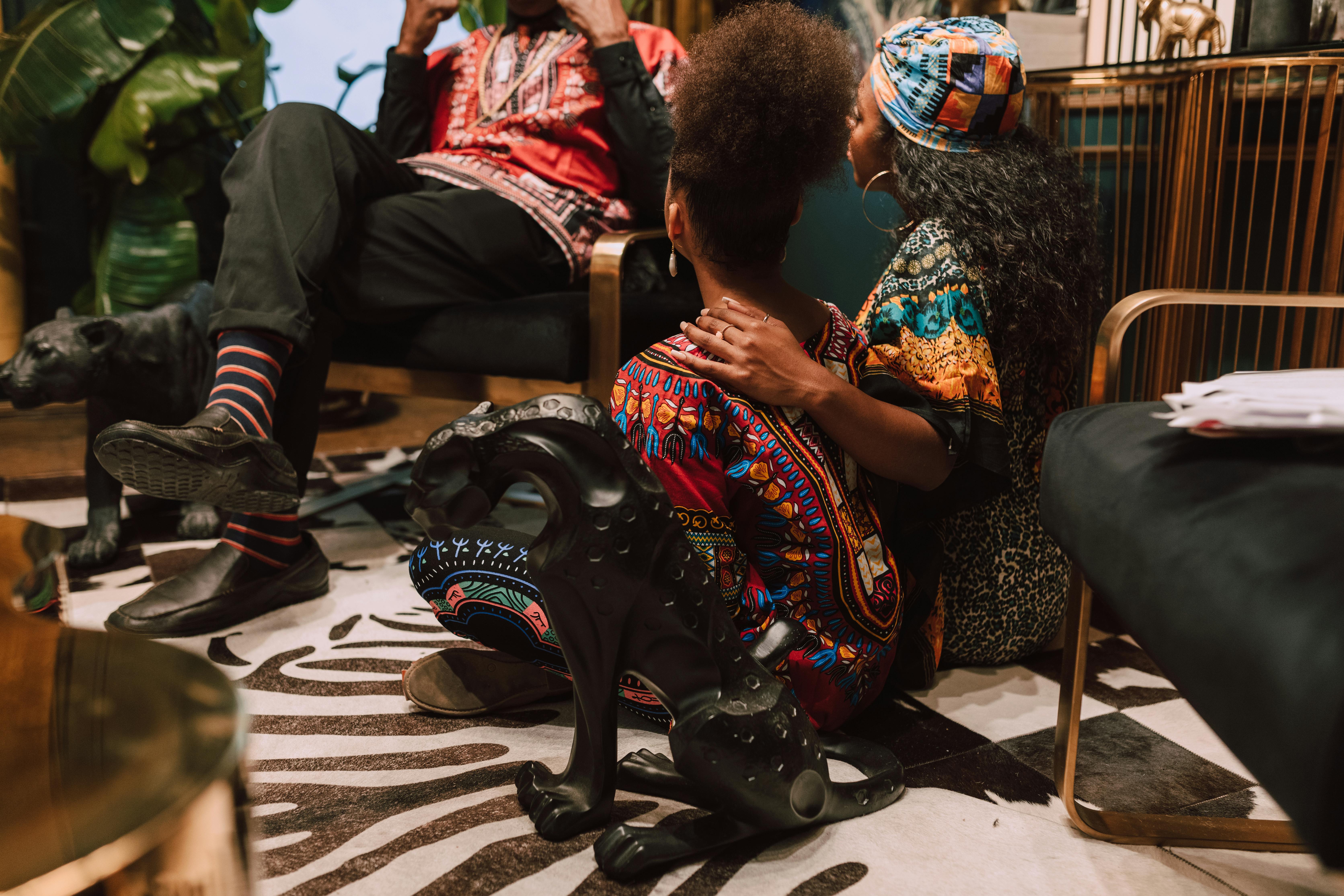
Culture lives in community, not museums
How We Approach This Work
Every experience we facilitate prioritizes authenticity over convenience. Sessions happen where traditions actually exist—in workshops that smell of materials being used, kitchens with worn tools that still work perfectly, gathering spaces shaped by decades of use.
We limit group sizes deliberately. Cultural transmission works through direct contact, observation, question and answer. Large groups dilute that intimacy.
Participants often mention surprise at the depth available. A craft workshop reveals entire philosophies of work. A cooking session uncovers agricultural history. A storytelling evening explains social structures that shaped regions.
"The tour wasn't about famous buildings. Our guide showed us how water systems worked, where markets formed, why streets curved certain ways. Three hours covered five centuries of practical adaptation."
— David W., Heritage Tour Participant
What Participants Take Away
Beyond specific skills or knowledge, people leave with altered perspective. They notice details previously invisible. They ask different questions about objects, places, and practices.
Some participants pursue deeper study. Others simply carry new appreciation. Many report feeling more connected—to place, to history, to possibilities of making things that matter.
The impact isn't always immediate. One craftsperson we work with describes it as planting seeds—understanding may surface months later when something suddenly makes sense.
Important Notice: Our cultural experiences are educational in nature and designed to support personal enrichment. Individual outcomes depend on personal engagement and prior experience. These sessions may complement but should not replace formal education or professional consultation in specific fields. We recommend researching thoroughly before committing to any cultural study program.
Begin Your Journey
Each tradition we work with has its own rhythm, its own requirements, its own way of welcoming newcomers. Some sessions challenge. Others comfort. All offer something that cannot be rushed or simulated.
If you've felt the pull toward practices that carry weight and history, toward learning that engages more than just your mind, this work might resonate. Not everyone connects with traditional knowledge—but those who do often find it answers questions they didn't know how to ask.
We respond to all inquiries within two working days
Scientific References
- Johnson, M. et al. (2017). "Cultural participation and community wellbeing: A systematic review." Journal of Community Psychology. Available at: https://pubmed.ncbi.nlm.nih.gov/28472627/
- Thompson, R. & Chen, L. (2019). "Intergenerational transmission of traditional knowledge: mechanisms and outcomes." Cultural Studies Review. Available at: https://pubmed.ncbi.nlm.nih.gov/31285592/
- Williams, K. et al. (2018). "Traditional practices and mental health in modern communities." Social Psychiatry and Psychiatric Epidemiology. Available at: https://pubmed.ncbi.nlm.nih.gov/29847361/
- Patterson, D. & Liu, Y. (2019). "Traditional ecological knowledge as a resource for contemporary environmental management." Environmental Science & Policy. Available at: https://pubmed.ncbi.nlm.nih.gov/30918424/